Best Raised Bed Companion Planting Garden Layout Guide
As an Amazon Associate we earn from qualifying purchases. Details
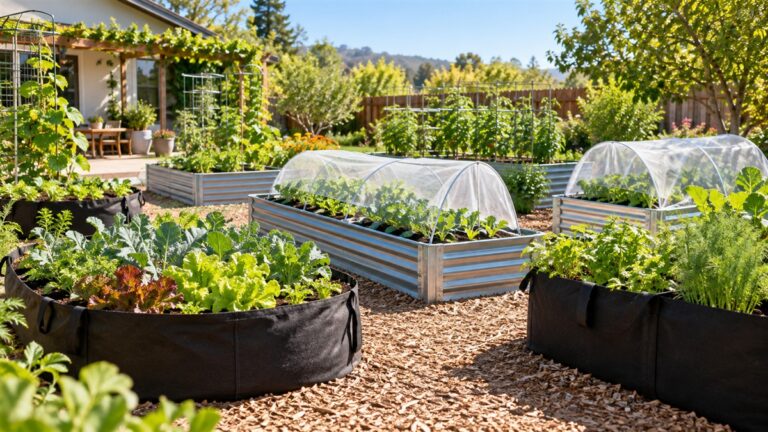
raised bed companion planting garden layout planning starts with matching plants that grow well side by side while fitting the size and depth of your bed. This guide helps you decide which planning book or bed style fits your space, your goals, and how much detail you want. You will learn what to look for in companion charts, grid systems, and bed shapes before you plant anything. We focus on products whose listings describe raised beds together with companion planting, so you can compare formats, page counts, dimensions, and organization ideas. Use it to choose a layout helper that suits a patio, backyard, or small garden.
Quick answer
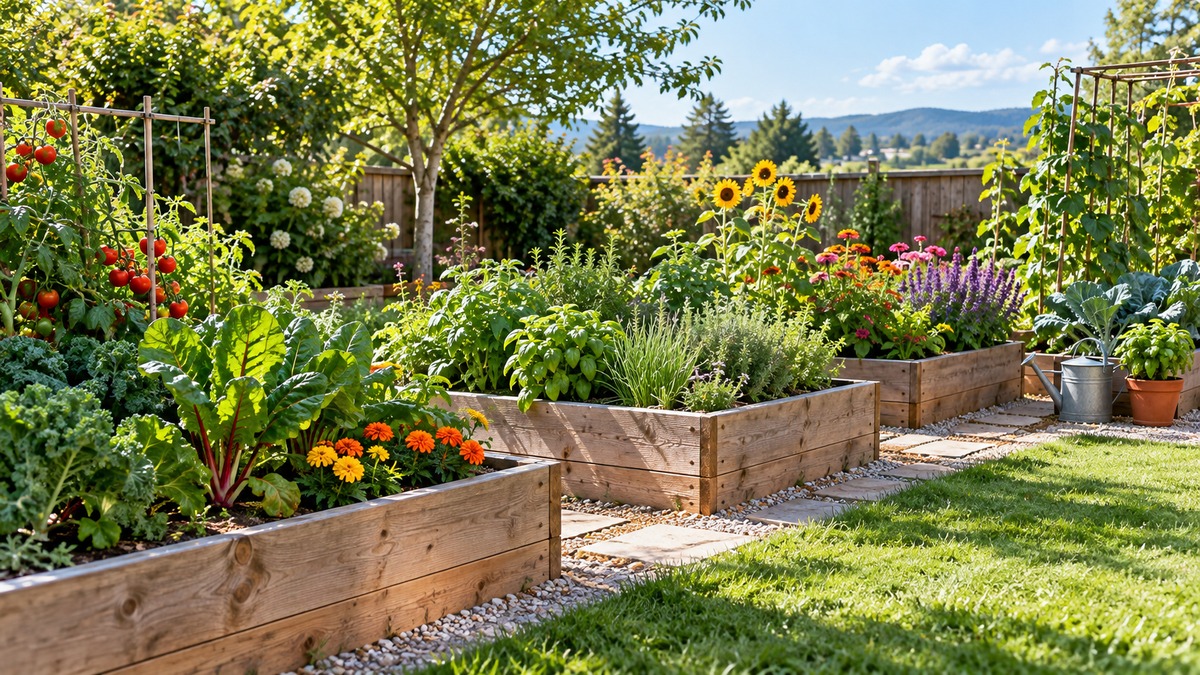
A raised bed companion planting garden layout groups vegetables, herbs, and flowers into sections based on how they share space, light, and soil. The listings in this guide approach it in two ways: planning books with charts and pairing lists, and a shaped bed with built-in sections for side-by-side planting.
If you want detailed pairings, choose a book whose title and specs mention companion planting plus raised beds and container gardens. If you want structure in the yard, the clover-shaped galvanized bed creates separate planting sections in one 43 x 43 x 12 inches frame. For a 4 x 4 raised garden bed layout, a book with grid or chart pages helps you divide the square into small squares or blocks and assign one family or pairing per block. Check the product listing for print length, dimensions, and included components before you decide, because specs come from the product listings.
What matters for a companion layout in a raised bed
1. Raised-bed focus plus companion-planting focus
The keyword has two required ideas. The resource should name both raised beds and companion planting in its title or bullets. A general vegetable book without companion terms will not help you place soil mates. A companion book without raised-bed terms may not address shallow depth, close spacing, or container limits.
Look for wording such as raised beds, container gardens, companion planting, soil mates, or companion plants in the listing. The picks below were chosen because the listing states both ideas or, for the physical bed, describes separate sections for companion plants side by side.
2. Chart format against reading format
Some gardeners want a quick lookup chart. Others want short chapters that explain why certain vegetables, fruits, flowers, and herbs are grouped together.
A chart book suits you if you already know what you want to grow and need a placement reminder. A longer guide suits you if you want background on organic pest control, small-space methods, or year-round harvests. Compare print length in pages, item weight in ounces or pounds, and dimensions in inches to judge whether the book is a bench reference or a full read.
3. Bed footprint and planting zones
Your layout depends on the bed you own. A square bed suits a grid of equal blocks. A clover or specialty shape creates lobes that work as natural zones for different plant families.
Check Item Dimensions D x W x H, Capacity in gallons, Material in galvanized steel or other material, and Mounting Type. The listing for the shaped bed in this guide states 43″D x 43″W x 12″H, 39.4 gallons, galvanized steel, and floor standing for outdoor use. That footprint decides how many groups you can separate without extra dividers.
4. Soil depth and drainage design
Companion groups still need root room and drainage. A bottomless bed allows roots to grow past the frame into native soil below. A book that covers raised beds and containers should discuss soil mates and space needs in that context.
The shaped bed listing states a 12-inch height and describes a bottomless design that improves soil structure and drainage. If you grow deep-root vegetables, confirm depth in the listing and in resources such as Best Raised Bed Garden How Much Soil and Best Way to Fill Raised Garden Bed.
5. Small-space organization
Most readers plan one to three beds on a patio or in a small yard. A useful layout tool shows how to repeat pairings, rotate groups, and leave paths for watering and harvest.
Grid systems divide a bed into equal planting cells. Clover sections divide it into lobes. Flower-plus-herb-plus-vegetable grouping adds diversity without adding beds. For soil ideas that support mixed planting, see Best Raised Bed Garden Soil Mix for Vegetables and Best Dirt for Raised Bed Vegetable Garden.
Books and a bed that fit companion layouts
1. COMPANION PLANTING CHARTS: 101 Companion Planting Charts for Organic Pest Control, Better Vegetable (Best overall)
Specs from the listing (checked 2026-10-11):
- Print length: 193 pages
- Dimensions: 7 x 0.44 x 10 inches
- Item Weight: 15.7 ounces
Pros
- 193 pages of chart format for quick bed mapping
- Lists raised beds and container gardens in title scope
- Compact 7 x 0.44 x 10 inches trim for outdoor reference
Cons
- Listing data does not show sample pairings so contents must be checked
- Book format provides no bed frame or soil volume
Best for: Gardeners who want many lookup charts for block planting
Skip if: You need a physical bed or construction plans rather than a reference book
View on Amazon (affiliate link)
2. Companion Planting in Raised Bed and Container Gardens: Grow Chemical-Free Vegetables, Fruits (Best for mixed planting)
Specs from the listing (checked 2026-10-11):
- Print length: 186 pages
- Dimensions: 6 x 0.42 x 9 inches
- Item Weight: 12 ounces
Pros
- Names vegetables, fruits, flowers, and herbs together
- 186 pages focused on raised bed and container limits
- 12 ounces weight suits carrying to the garden
Cons
- Listing does not state bed dimensions or soil amounts
- Not a grid-only tool for gardeners who want no reading
Best for: Gardeners mixing food, herbs, and flowers in one bed
Skip if: You want only a visual grid with no explanatory text
View on Amazon (affiliate link)
3. The Year-Round Vegetable Garden for Beginners: A Simple No-Dig Guide to a High-Yield Organic (Best for year-round harvests)
Specs from the listing (checked 2026-10-11):
- Print length: 151 pages
- Dimensions: 8 x 0.35 x 10 inches
- Item Weight: 14.2 ounces
Pros
- Combines raised beds with companion planting and pest control
- 151 pages in larger 8 x 0.35 x 10 inches format
- 14.2 ounces stays portable for bench use
Cons
- Listing data does not show sowing dates or zone detail
- Year-round focus is more than a one-season mapper needs
Best for: Gardeners planning spring-to-fall successions in the same bed
Skip if: You want only a single spring layout with no seasonal follow-up
View on Amazon (affiliate link)
4. The Purposeful Gardener: Double Your Harvest & Create a Food Oasis with Raised Beds, Vertical (Best for small spaces)
Specs from the listing (checked 2026-10-11):
- Print length: 192 pages
- Dimensions: 7.2 x 0.55 x 9.3 inches
- Item Weight: 1 pounds
Pros
- Adds vertical growing to raised-bed companion planning
- 192 pages for small-space grouping ideas
- 7.2 x 0.55 x 9.3 inches format for diagrams and layouts
Cons
- Listing states no trellis size or support limits
- Vertical methods need sun and access that patios may lack
Best for: One-bed gardeners who can add height to free surface area
Skip if: You cannot add supports or your bed gets limited sun
View on Amazon (affiliate link)
5. Effortless Raised Bed & Container Vegetable Gardening for Beginners: A Step-by-Step Guide to Grow (Best for beginners)
Specs from the listing (checked 2026-10-11):
- Print length: 154 pages
- Dimensions: 6 x 0.35 x 9 inches
- Item Weight: 7.8 ounces
Pros
- Step-by-step framing for new raised-bed gardeners
- Compact 6 x 0.35 x 9 inches size for bedside use
- Light 7.8 ounces weight for easy handling
Cons
- Listing data does not show soil recipes or bed plans
- Beginner scope may feel thin for experienced planners
Best for: New gardeners who want ordered companion steps
Skip if: You want construction drawings or advanced rotation plans
View on Amazon (affiliate link)
6. Sunnydaze Clover Galvanized Raised Garden Bed for Vegetables & Flowers (Best bed structure)
Specs from the listing (checked 2026-10-11):
- Item Dimensions D x W x H: 43"D x 43"W x 12"H
- Capacity: 39.4 gallons
- Material: Galvanized Steel
Pros
- Clover shape forms separate sections without dividers
- Galvanized steel with 1 mm thick corrugated panels
- Bottomless 12-inch height lets roots reach native soil
Cons
- Bottomless outdoor design does not suit deck use without soil below
- 43-inch footprint limits tall-row length versus rectangles
Best for: Small yards needing organized zones in one compact bed
Skip if: You need a closed-bottom planter or a long straight row bed
View on Amazon (affiliate link)
Chart-heavy reference with 101 charts
This pick is the listing titled with companion planting charts for organic pest control, better vegetable pairings, raised beds, and container gardens. The specs state 193 pages, 15.7 ounces, and dimensions of 7 x 0.44 x 10 inches. It is listed as Book 1 of 2 in a series described as Practical Vegetable Gardening Guides for Raised Beds, Containers and Small Spaces.
It fits gardeners who want many lookup pages rather than a long narrative. Use the charts to sketch which crops share a block and which stay apart. The listing does not state individual plant pairings in the data provided, so check the product listing for the table of contents and sample pages. Skip it if you want a physical bed or step-by-step construction help, because this listing describes a book.
Raised-bed and container companion guide
This pick is the listing for growing chemical-free vegetables, fruits, flowers, and herbs and finding soil mates for organic pest control. The specs state 186 pages, 12 ounces, and dimensions of 6 x 0.42 x 9 inches. The title names companion planting in raised bed and container gardens.
It fits gardeners who want food plus flowers and herbs in the same plan. The fruit, flower, and herb wording makes it useful when you want pollinator-friendly edges around vegetables. The listing does not state bed dimensions or soil volume, because it is a book, so pair it with a bed listing for size details. Skip it if you only want a grid for a 4 x 4 raised garden bed layout with no reading, because this format includes explanatory text.
Year-round raised-bed guide with companion planting
This pick covers raised beds, companion planting, pest control, and a no-dig approach for a high-yield organic harvest. The specs state 151 pages, 14.2 ounces, and dimensions of 8 x 0.35 x 10 inches. The publisher is listed as MINDSPARKPRESS LTD.
It fits gardeners who want seasonal planning, not just a spring map. Use it to think through succession and cool-season groups after warm-season crops finish. The listing does not state specific sowing dates or pairings in the data provided, so check the product listing for chapter detail. Skip it if you want only a small-space grid, because the emphasis here is year-round method across raised beds.
Food-oasis guide with raised beds and vertical growing
This pick describes doubling harvest and creating a food oasis with raised beds, vertical growing, and companion planting. The specs state 192 pages, 1 pounds, and dimensions of 7.2 x 0.55 x 9.3 inches. The publisher is listed as Page Street Publishing.
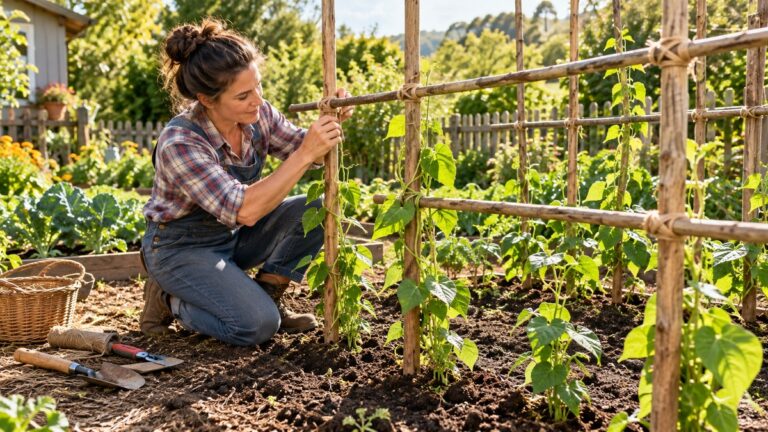
It fits gardeners with one bed who need height as well as surface area. Vertical growing can free bed space for low companions underneath or beside climbers, depending on light. The listing does not state trellis size or load limits, so check the product listing and your bed frame before adding supports. Skip it if you cannot add upright supports or if your bed sits in shade, because height helps only with enough sun and access.
Step-by-step companion guide for raised beds and containers
This pick is listed as a step-by-step guide to grow healthier food and use companion plants for organic pest control. The specs state 154 pages, 7.8 ounces, and dimensions of 6 x 0.35 x 9 inches. The title names raised bed and container vegetable gardening for beginners.
It fits new gardeners who want order: build soil, place companions, handle pests with organic methods. The lighter item weight of 7.8 ounces and compact 6 x 0.35 x 9 inches size make it easy to carry to the bed while you sketch rows. The listing does not state soil recipes or bed plans in the data provided, so check the product listing for contents. Skip it if you want construction drawings, because this listing describes planting guidance.
Clover-shaped galvanized bed with planting sections
This pick is a physical bed from Sunnydaze Decor, not a book. The specs state galvanized steel, gray color, 43 x 43 x 12 inches, 39.4 gallons capacity, 9.2 pounds item weight, and floor standing mounting for outdoor use. Bullets describe 1 mm thick steel corrugated panels, zinc coating, rolled edges, and assembly with included bolts and wingnuts.
It fits small yards where a 4 x 4 raised garden bed layout is the goal but a round-edged shape is welcome. The clover design creates separate planting sections in one bed, which helps keep herbs, vegetables, flowers, or companion plants side by side without extra dividers. The bottomless design allows roots to grow past the 12-inch height into native soil below. Skip it if you need a deep closed-bottom planter for a deck, because the listing describes a bottomless outdoor bed, and check the listing for rust, drainage, and assembly details.
How to choose for your space
Start with bed size, then pick the planning format. Measure length and width in inches and note height in inches. Then decide whether you need charts, text, or both.
If you already own a square bed, a chart book or grid book helps you assign blocks. If you are buying a first bed, choose the footprint first. A compact 43 x 43 x 12 inches bed suits patios where a larger rectangle would feel oversized. Larger rectangles suit side-by-side rows, while clover lobes suit groupings that you want to keep visually separate.
Next, list what you eat most. Choose two or three vegetable groups, one herb group, and one flower edge if space allows. Assign tall plants to the north side so they do not shade short companions. Leave a path for watering and harvest. For planting ideas by crop, see Plant Ideas for Raised Garden Beds and Best Planting Carrots in Raised Beds.
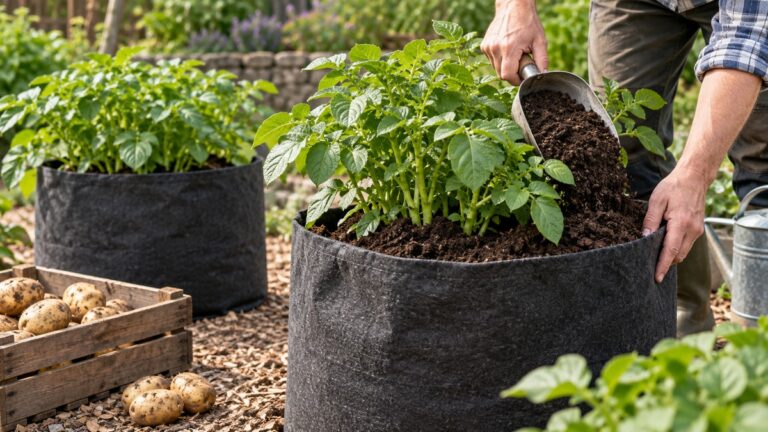
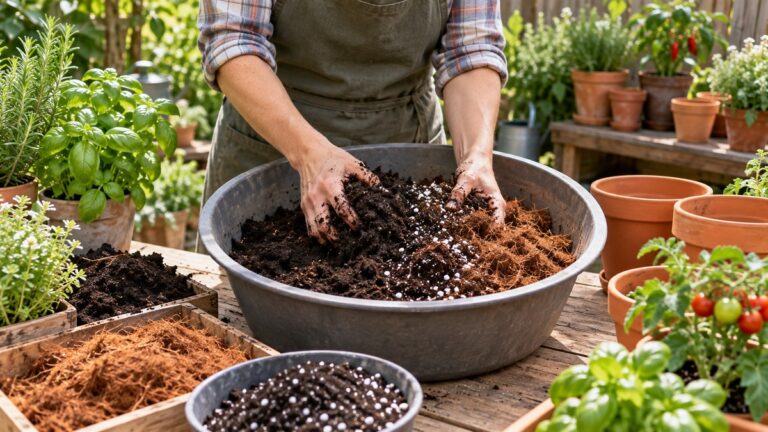
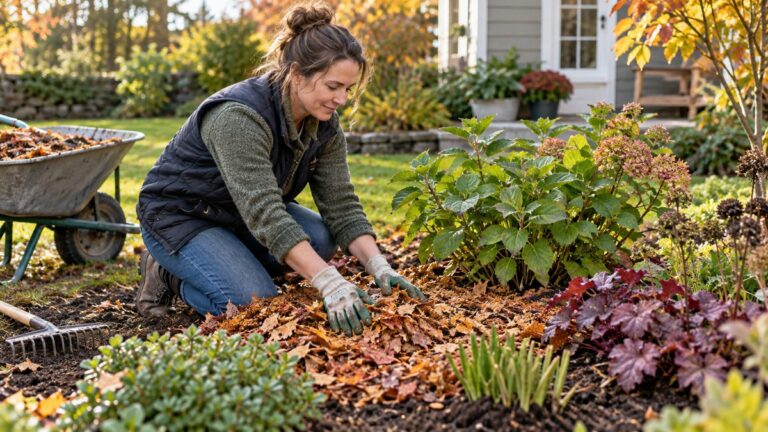
Soil and compost matter as much as spacing. Compost from kitchen scraps, dry leaves, and woody yard material can supply a free soil amendment, and composting reduces the volume of materials that might otherwise go to landfills or trash incinerators. Compost also enables soil to absorb and hold water better. For bed-ready mixes and filling order, see Best Soil Mixture for Raised Vegetable Garden and Filling a Raised Vegetable Garden Bed.
Comparison table built only from listing data
| Pick type | Listing size or length | Weight | Other stated spec |
|---|---|---|---|
| 101-chart companion book | 193 pages; 7 x 0.44 x 10 inches | 15.7 ounces | Book 1 of 2 in raised-bed small-space series |
| Raised-bed container companion book | 186 pages; 6 x 0.42 x 9 inches | 12 ounces | Covers vegetables, fruits, flowers, and herbs |
| Year-round no-dig guide | 151 pages; 8 x 0.35 x 10 inches | 14.2 ounces | Publisher MINDSPARKPRESS LTD |
| Raised beds plus vertical growing guide | 192 pages; 7.2 x 0.55 x 9.3 inches | 1 pounds | Publisher Page Street Publishing |
| Step-by-step companion guide | 154 pages; 6 x 0.35 x 9 inches | 7.8 ounces | Focus on organic pest control |
| Clover galvanized bed | 43 x 43 x 12 inches; 39.4 gallons | 9.2 pounds | Galvanized steel; floor standing; outdoor |
Example bed with three groups and a flower edge
It uses a hypothetical 4 x 4 raised garden bed layout divided into four equal quarters. Numbers below are assumed for math, not taken from the listings. The arithmetic is shown step by step.
Assume the bed footprint is 48 inches by 48 inches. Assume height is 12 inches. Assume you divide the top into four equal planting quarters. Assume you want three vegetable-plus-herb groups and one flower edge.
Step 1: Find total top area. Multiply length by width. 48 x 48 = 2,304. Re-check: 50 x 48 = 2,400, minus 2 x 48 = 96, so 2,400 – 96 = 2,304. Total is 2,304 square inches.
Step 2: Convert to square feet. Divide by 144. 2,304 / 144 = 16. Re-check: 144 x 10 = 1,440; remainder 864; 144 x 6 = 864; 10 + 6 = 16. Total is 16 square feet.
Step 3: Find one quarter. Divide total by 4. 16 / 4 = 4. Re-check: 4 x 4 = 16. Each quarter is 4 square feet.
Step 4: Assign groups. Quarter 1 is 4 square feet for a tall vegetable group. Quarter 2 is 4 square feet for a mid-size vegetable group. Quarter 3 is 4 square feet for herbs. Quarter 4 is 4 square feet for flowers. Sum check: 4 + 4 + 4 + 4 = 16 square feet, which matches the total.
Step 5: Check soil volume in cubic feet. Multiply area by height in feet. Height 12 inches is 1 foot. 16 x 1 = 16 cubic feet. Re-check: 16 x 1 = 16.
This math does not tell you which plants are compatible. Use a companion chart book from the picks to assign crops to the four quarters, then check the seed packet for spacing and sun needs. If your real bed is the 43 x 43 x 12 inches clover bed, repeat the same steps with 43-inch sides and assign one pairing per lobe instead of per square quarter.
Three buying scenarios
You have a square bed and want a simple map
Choose a chart book with many pages and a compact trim size you can hold outdoors. The 193-page charts book at 7 x 0.44 x 10 inches or the 186-page raised-bed container book at 6 x 0.42 x 9 inches both name raised beds and companion planting in the title. Sketch a 4 x 4 raised garden bed layout on paper first, then move groups so tall plants sit on the north side.
You are starting from zero on a patio
Choose the physical bed first, then add one beginner book. The clover bed states 43 x 43 x 12 inches, 39.4 gallons, and 9.2 pounds, with outdoor floor-standing use. Its lobes keep groups apart without dividers. Add the 154-page step-by-step companion guide at 7.8 ounces for placement and organic pest-control background. Confirm soil volume with the listing and with Best Diy Raised Bed Soil Mix.
You want season-long harvests in one bed
Choose the year-round guide or the vertical-growing guide. The year-round guide states 151 pages and 8 x 0.35 x 10 inches. The vertical guide states 192 pages and 7.2 x 0.55 x 9.3 inches. Both name raised beds and companion planting. Plan spring, summer, and fall groups in the same footprint, and leave room to reach the center for replanting.
Five common mistakes
1. Choosing a book without raised-bed terms
A field-gardening book may assume wide rows and tractor paths. For a raised bed companion planting garden layout, confirm the listing names raised beds and containers. Otherwise spacing and depth advice may not transfer.
2. Mixing groups without paths
Dense planting still needs hand room. Leave space to water at soil level, pull weeds, and harvest without stepping on roots. Clover lobes or grid lines help, but you still need open reach from each side.
3. Putting tall plants on the south side
Tall crops can shade short companions all day. Place height on the north side of the bed in most US yards, then step down toward the south edge. Check seed packets for mature height before you finalize the map.
4. Ignoring soil depth
Flowers and shallow herbs forgive shallow mix. Deep-root vegetables need more depth or open soil below. The clover bed listing states 12-inch height with a bottomless design. Books cannot change your frame depth, so match crop choices to the inches you have.
5. Skipping a soil and compost plan
Pairings do not replace soil. Plan mix, compost, and mulch before planting day. For amendment timing, see Best Adding Compost to Raised Garden Bed. Follow the soil or compost maker label and the bed manual, and do not apply pesticides or herbicides beyond label directions.
FAQ
What is a raised bed companion planting garden layout?
It is a planting map that places compatible vegetables, herbs, and flowers together in the zones of a raised bed. Use a chart book to choose groups, then draw the bed to scale and assign one group per block or lobe. Check the listing for contents before you buy.
How do I plan a 4 x 4 raised garden bed layout with companions?
Divide the 4-foot square into four quarters or sixteen 1-foot cells on paper. Assign one crop family or pairing per cell, with tall plants north and short plants south. Leave reach space. A chart or grid book helps you keep groups consistent.
Do I need a special bed for companion planting?
No. Any raised bed works if it has enough sun, depth, and drainage. A clover shape helps because the lobes act as dividers. A square bed works with painted grid lines or string. Check dimensions, capacity, material, and drainage in the listing.
How deep should the bed be for mixed vegetables and herbs?
It depends on the crops. The clover bed in this guide states 12-inch height with a bottomless design that lets roots pass into soil below. Shallow herbs need less depth than deep-root vegetables. Check mature root needs on seed packets and match them to your frame.
Can flowers and herbs share a bed with vegetables?
Yes, when the book or chart groups them as soil mates and space allows. Many titles in this guide name vegetables, fruits, flowers, and herbs together. Give each group its own zone so you can water and harvest without disturbing neighbors.
How much soil goes in a small companion bed?
It depends on length, width, and height in inches and on whether the bed has a bottom. The clover bed lists 39.4 gallons capacity and 43 x 43 x 12 inches dimensions. Use the listing capacity for bag estimates and confirm with a soil calculator or the bag label.
Will companion planting stop pests without sprays?
The listings describe companion planting as support for organic pest control and chemical-free growing. No listing in the data promises pest elimination. Follow cultural steps such as spacing, airflow, clean-up, and label directions for any product you use.
Bottom line
Choose charts if you know your crops and want fast placement help. Choose a full guide if you want background on raised beds, containers, organic pest control, or season-long harvests. Choose the clover galvanized bed if you need a compact 43 x 43 x 12 inches frame with built-in sections for side-by-side groups. Draw the map first, match groups to sun and depth, and check the listing for pages, dimensions, weight, capacity, and materials before you buy.
Sources
- EPA Composting At Home: supports compost inputs, landfill reduction, and soil water retention statements