How to Attract Songbirds to Your Yard
As an Amazon Associate we earn from qualifying purchases.
Learning how to attract songbirds to your yard starts with the three things birds need everywhere: food, water and cover. Penn State Extension and Mississippi State Extension both frame the job this way, and the guide below follows the same order.
The sources agree on native plants, a dependable water source and dense shelter. They disagree on feeders, so this guide shows both sides before giving a plan.
Quick answer
- Plant native trees and shrubs that give fruit, seeds or nuts through the year.
- Add a shallow water source that stays available all year.
- Keep dense shrubs and evergreens for nesting sites, cover and protection from predators.
- Treat feeders as optional, because Massachusetts wildlife officials advise against supplemental food.
The three things birds need
Penn State Extension’s Chester County Master Gardener brochure says that to attract a variety of birds, you need to offer three essential elements: shelter, food and water. It adds that birds need shelter from the elements, protection from predators and safe places to build nests. Those needs shape every choice in the sections below.
Mississippi State Extension’s habitat publication puts it in similar terms. It says wildlife, just like people, have three basic needs: food, water and cover. Cover is the category that holds shelter, nesting sites and protection, so the sections follow the same order: food, then water, then cover.
Plant native trees and shrubs for food
Penn State’s brochure says native trees and shrubs provide the diversity of native insects that baby birds need to survive. The Massachusetts wildlife page makes the same link from the other side. It says birds such as the common chickadee require native trees and plants close to their nest in order to find enough insects to feed their nestlings.
Penn State’s brochure notes that adult birds eat a variety of foods, including insects, worms, berries, seeds and nectar, so a planting plan should cover more than one of those.
For fruit and seed, Penn State Extension’s guide to trees, shrubs and vines says many woody plants produce soft mast, which is fruit, or hard mast, which is nuts, and that both provide food for birds and mammals. The brochure advises selecting a variety of trees and shrubs that offer nuts and berries year-round.
The University of Illinois Extension release names native species that yield berries through the summer, including red twig dogwood, elderberry, viburnum and spicebush. It also says native trees such as oak, willow, cherry, plum and birch can support many different caterpillar species. The same release names herbs and native perennials, such as butterfly weed, violets and dill, as host plants for caterpillars too.
The Massachusetts page calls native fruit-bearing shrubs essential, both for the fruit and for the insect fauna they support. It says native trees and shrubs that produce berries, such as dogwoods, serviceberries, cherries and blueberry, provide fruit in summer or fall and are much more nutritious, high in fats and lipids, than fruits of non-native plants.
Penn State’s trees, shrubs and vines guide gives examples of fruiting plants, including hawthorn, crabapple, holly, highbush cranberry and staghorn sumac. It notes that blackberries and raspberries provide fruit in summer and are eaten by catbirds and other wildlife.
The Illinois release also names sources of nuts and seeds, including oak, hickory, beech, maple and birch trees. It says spruce, pine and fir trees provide pine nuts as well as year-round shelter for birds. Milkweeds, native thistles, cinnamon ferns and asters produce soft, fluffy material that many bird species use to build nests.
Penn State’s brochure gives a choice for faster results. It suggests planting some smaller trees, such as redbud, native dogwood and birch, alongside the tall native trees such as oak, hickory or beech. The brochure also says you will need trees to attract most songbirds.
Choose native plants over exotic ones
Mississippi State Extension is direct on this point. It says native plants are highly recommended, and that invasive exotic plants should be discouraged from any garden use. It also says that once established, native plants typically require less water and maintenance than nonnative species. It also says to use native plants where and when possible.
Penn State’s trees, shrubs and vines guide offers a practical note for establishing them. If a native plant is set in its preferred site, watering and fertilizing beyond the first year may not be necessary. It also suggests observing the environment where the plant grows in the wild, or consulting a native plant book for cultural information.
The Massachusetts page adds a reason tied to insects. It says native plants support a much higher diversity and number of invertebrates than non-native plants do. Those invertebrates feed the birds, so the plant choice is a food choice as well as a planting choice.
The pages read for this guide come from Pennsylvania, Mississippi, Illinois and Massachusetts, and none of them lists plants for another region. Plant lists differ by region, so a county extension office is the next check before buying.
Build layers for shelter and nesting
Penn State’s brochure advises planting lots of native shrubs, grouped together in a woodland setting. It says dense shrubbery will offer nesting sites and protection from predators.
Penn State Extension’s trees, shrubs and vines guide says evergreen trees and shrubs make some of the best shelters, especially those that keep their branches close to the ground. The Mississippi State publication agrees that evergreens are particularly valuable for winter cover.
The Illinois release says a bird-friendly yard must have cover for shelter and nesting sites. It names the dense structure of willow, hawthorn, holly and conifer trees as valuable protection. Penn State’s guide adds that many other plants, such as grapevines, provide several benefits at once, including an abundant food supply, dense cover and nest sites.
Mississippi State describes the goal in a single sentence. Providing a diversity of plant material, including evergreen and deciduous trees, vines, shrubs, herbaceous plants, grasses and ground covers, lets wildlife select the right areas for feeding, nesting and shelter.
Leave some dead wood where it is safe to do so
Penn State’s brochure says that when possible, dead trees should be allowed to stand. It notes that standing dead trees provide both food and ideal nesting sites for some birds, and that cavity nesters such as wrens, woodpeckers and bluebirds may use them.
The sources here do not discuss safety around standing dead trees. Check local rules and the condition of any tree on your own property before deciding to keep it.
Water: a dependable source
Penn State’s brochure says birds must have water for drinking and bathing. Mississippi State Extension adds that providing water for both drinking and bathing is vital to wildlife, and that the water source should be dependable year-round.
The Illinois release describes a basin-free option. It says small ponds with uneven edges and shallow spaces provide a place for birds to drink, splash and bathe.
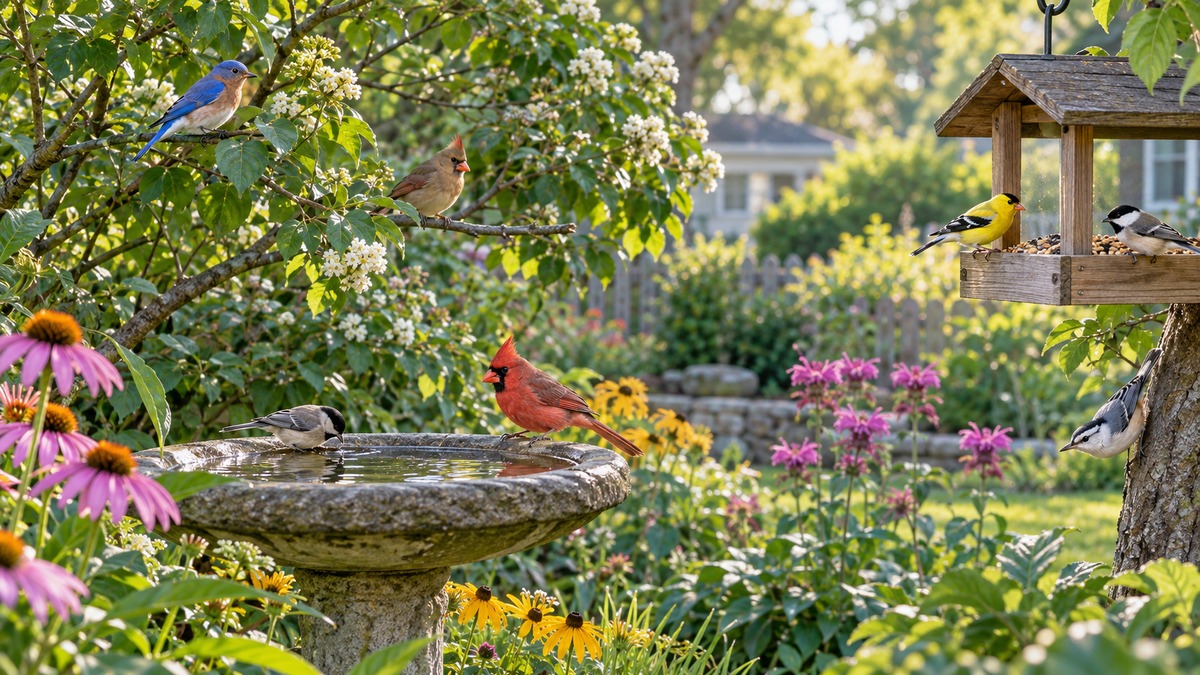
The Massachusetts page lists native plants, bird houses and bird baths together as ways to attract birds naturally through the year. The bird bath guide covers choosing a basin, and the DIY water dispenser guide covers a water source without one.
Feeders: where the sources disagree
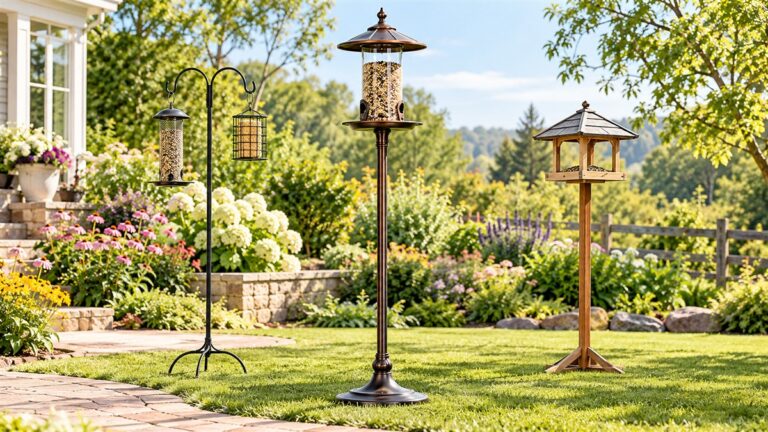
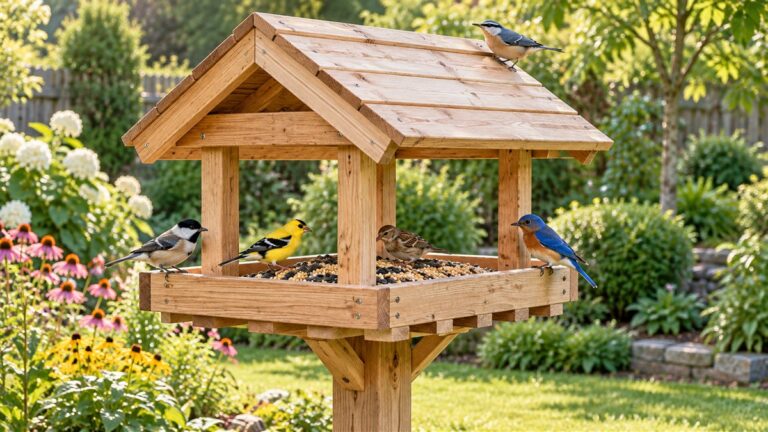
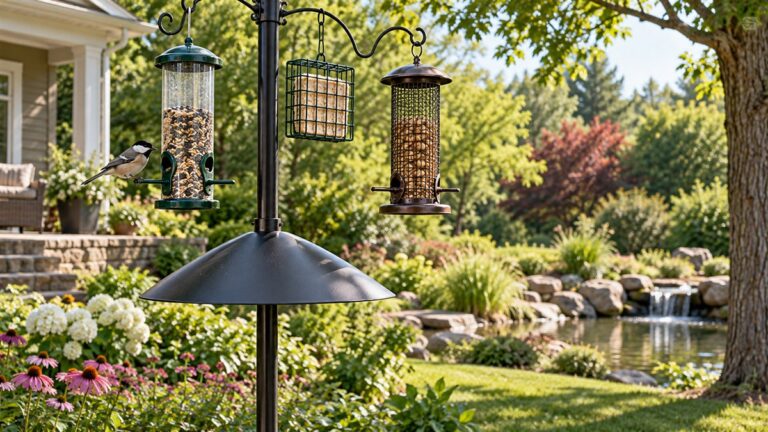
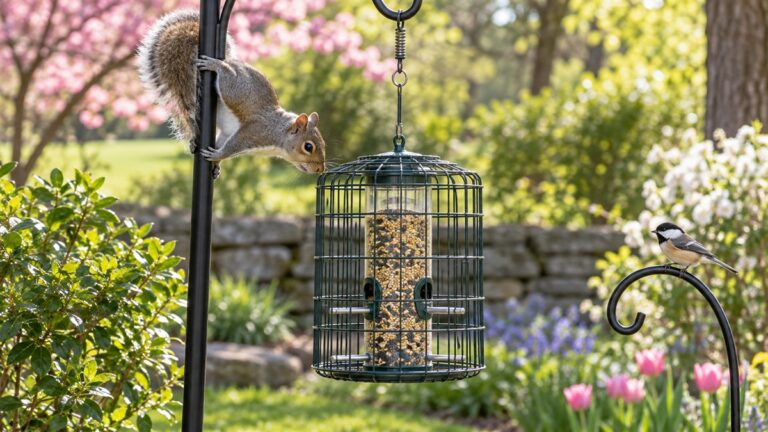
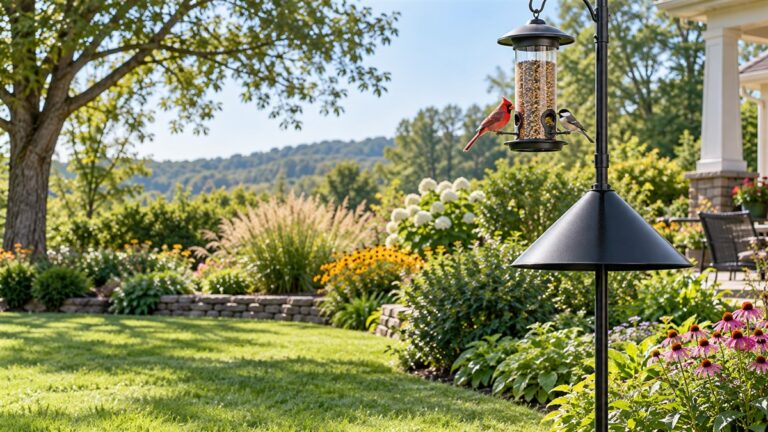
Mississippi State Extension describes two ways to provide food: artificial feeding, such as bird feeders and squirrel feeders, and natural vegetation that offers nuts, seeds, nectar, fruit and other food. Its article gives feeders a place on the list, and it cautions that you may forget to keep feeders full.
The Massachusetts Division of Fisheries and Wildlife takes a firmer line. It says bird feeders may increase mortality from window strikes and from predation by pet cats, which it calls some of the largest sources of wild bird mortality in North America. It also says bird feeders often draw wildlife other than songbirds closer to homes, including bears, coyotes, wild turkeys and rodents. Its advice is to avoid providing supplemental food for wildlife.
If a feeder stays in the yard, the CDC wildlife page says to clean the bird feeder and bird bath at least once each month, and to wash hands after touching bird food, bird feeders or bird baths. This guide does not recommend a feeder or a product. It shows the cleaning rule for readers who decide to keep one.
Timing across the seasons
The Massachusetts page says bird lovers can attract birds naturally throughout the year by adding native plants, bird houses or bird baths. Mississippi State’s point about evergreens covers the winter gap, when the leaves of deciduous plants are gone. Penn State’s guide notes that large trees also offer shade from the summer sun and nest sites for many birds.
The pages read here do not give a planting calendar. For the right planting months in a particular region, a county extension office is the better source.
How we chose
This guide uses five public pages: two Penn State Extension pages, a Mississippi State Extension publication, a University of Illinois Extension release, and a Massachusetts Division of Fisheries and Wildlife news page. The criteria were simple. Each page covers the whole yard, not just one plant or product, and each is an extension or state wildlife source that could be opened and read during this check.
Several other pages were left out. An All About Birds page returned an error, and a Penn State county URL returned a 404 at one path before the working address was found. Retail bird-store and general blog pages that came up in search were not used.
What we could not verify
The five pages cover four states and do not name species for your region. Their feeder advice also differs. Mississippi State lists feeders as one of two food sources, while the Massachusetts wildlife page advises against supplemental food. This guide shows both positions and does not pick one for the reader.
What the sources do not say
The pages do not name plants for a particular region, give planting dates or set a number of shrubs for a yard of a given size. They do not say how long a new planting takes to attract birds. They do not give a plan for managing pet cats beyond noting predation as a feeder problem. Each of these questions needs a local source.
Frequently asked questions
Do birds need a feeder to visit a yard?
No. The Massachusetts page says you don’t need a bird feeder to attract songbirds to your yard or garden. Food from native plants, water and cover can draw birds without a feeder, which is the approach this guide follows.
Which plants should come first in a new yard?
Start with native trees and shrubs that feed birds and provide cover. Penn State’s brochure recommends tall native trees such as oak, hickory or beech, plus smaller trees such as redbud, native dogwood and birch for faster results. Mississippi State lists trees, vines, shrubs, grasses and ground covers as a diverse mix.
Is a bird bath enough to attract songbirds?
A bath meets the water need, which is one of the three needs the sources name. Food and cover are still needed. The Massachusetts page lists native plants, bird houses and bird baths together, so the bath is one part of a yard plan rather than the whole plan.
Should a yard include evergreens?
Yes, according to these sources. Mississippi State calls evergreens particularly valuable for winter cover. Penn State’s trees, shrubs and vines guide says evergreen trees and shrubs that keep their branches close to the ground make some of the best shelters, and the Illinois release names conifers as protective cover.
Should a feeder be kept in the yard?
The sources disagree, so the answer depends on the reader’s choice. The Massachusetts page advises against supplemental food because of window strikes, pet cats and wildlife that feeders draw in. If a feeder is kept, the CDC wildlife page says to clean it at least once each month and to wash hands after touching it.
Sources
- https://extension.psu.edu/programs/master-gardener/counties/chester/how-to-gardening-brochures/gardening-to-attract-birds (opened 2026-10-22)
- https://extension.msstate.edu/publications/establishing-backyard-wildlife-habitat (opened 2026-10-22)
- https://extension.psu.edu/landscaping-for-wildlife-trees-shrubs-and-vines (opened 2026-10-22)
- https://extension.illinois.edu/news-releases/create-bird-friendly-yard (opened 2026-10-22)
- https://www.mass.gov/news/attract-birds-to-your-yard-naturally-this-spring (opened 2026-10-22)